


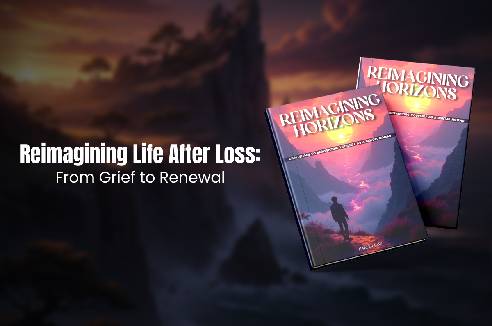
Losing a lifelong partner is not just a personal tragedy; it is an upheaval of every facet of daily life. The familiar rhythms of shared meals, quiet conversations, and mutual habits vanish almost overnight, leaving a void that feels both physical and emotional. For those who have spent decades building a life together, grief is not simply sadness; it is the dismantling of the structures that once defined existence. Redefining life after such a loss requires courage, reflection, and an openness to reimagine what home, identity, and joy can look like.
The Collapse of Familiar Structures
When grief arrives, it does so with an almost architectural force, toppling the routines and patterns that have anchored life for years. The home that once felt safe can suddenly feel unbearably empty. Daily rituals of the morning coffee shared at the kitchen table, evening walks through familiar streets become stark reminders of absence. Even the self, once shaped by shared experiences and mutual decision-making, feels fragmented. Many widows and widowers describe an invisible scaffolding that held their lives together, collapsing the moment a partner passes away.
This collapse is more than symbolic. Practical matters, financial decisions, household chores, and social planning can become overwhelming. Every corner of life feels altered, making it difficult to move forward without confronting the raw, destabilizing power of grief. The loss of a partner is a disruption not just of companionship but also of identity itself.
Emotional Dependency and Boundaries
For those who cared for a partner through illness, grief often comes intertwined with emotional dependency. Years of caregiving create intricate, sometimes blurred, emotional landscapes. On one hand, the surviving partner may feel an almost reflexive need to preserve the memory of care and devotion. On the other hand, there can be a lingering sense of guilt questioning whether one did enough, acted with compassion, or could have prevented suffering.
This emotional complexity is compounded by blurred boundaries. Relationships with children, friends, or new acquaintances can carry unspoken expectations: the survivor might feel pressure to remain a certain way, to shoulder grief visibly, or to continue caregiving in symbolic forms. Recognizing these patterns and establishing healthy boundaries becomes essential. Without it, grief risks morphing into emotional dependency, limiting the capacity for personal reinvention.
Travel and Transformation
For many, stepping outside familiar surroundings can be a catalyst for emotional healing. Travel, especially journeys that engage both the mind and senses, can offer a form of escape, reflection, and perspective. Visiting the historic streets of Europe or the serene landscapes of Georgia provides a physical and symbolic distance from grief’s immediate intensity.
Travel allows survivors to encounter new cultures, art, and traditions, each offering lessons in resilience, impermanence, and beauty. Simple acts, like wandering through a sunlit piazza in Florence or watching the mist roll over the Georgian mountains, can reignite a sense of wonder and curiosity that grief may have dulled. These experiences become portable memories, reminders that life, even after profound loss, holds richness waiting to be rediscovered.
Therapy and Practices for Reinvention
Healing and reinvention often require intentional practices, both internal and external. Therapy provides a space to confront guilt, unpack complex emotions, and gain tools for coping with change. Mindfulness, journaling, and creative expression allow grief to be processed in tangible ways, transforming overwhelming emotions into clarity and self-awareness.
Equally important is the cultivation of boundaries and autonomy. Choosing when to engage with social obligations, when to seek solitude, or when to explore new interests becomes an exercise in self-respect and personal agency. Survivors learn that honoring the past does not mean being trapped by it; they can carry memories of love while building a life that reflects present needs and desires.
Creating rituals, small, personal acts that honor the departed, can also help. Lighting a candle each evening, maintaining a memory box, or simply pausing in gratitude for shared experiences allows grief to coexist with renewal. These practices transform mourning from a limiting force into a companion on the journey of reinvention.
Embracing Grief While Choosing a New Path
Ultimately, life after loss is not about closure or moving on in the traditional sense. It is about embracing grief as a constant companion while intentionally creating a new path. This involves both reflection and action: recognizing the depth of absence, honoring the shared life that was lived, and simultaneously engaging with opportunities for growth, joy, and connection.
Renewal does not erase love; it expands it, integrating memories into a living, evolving identity. Survivors often find that grief, once navigated with awareness and intention, becomes a source of insight, empathy, and resilience. It allows them to reimagine what home, companionship, and personal fulfillment can mean in a life reshaped by loss.
Bottom Line
In the end, reimagining life after loss is an act of courage. It acknowledges that while grief may never fully disappear, it does not have to define every moment. By embracing reflection, seeking healing, and stepping into new experiences, survivors can honor the past while forging a life that is meaningful, expansive, and deeply human. Life, after all, is not only about what has been lost but also about what can still be discovered, cultivated, and cherished.